Category: Cannabis 101

  • The Art of Microdosing: Finding Your Perfect Low-THC Balance

    The Art of Microdosing: Finding Your Perfect Low-THC Balance

    The world of cannabis can feel overwhelming, especially for newcomers and those curious about its wellness potential. While high-THC products often grab headlines, a more subtle and increasingly popular approach is gaining traction: microdosing. This method involves consuming very small, sub-perceptual amounts of cannabis to achieve therapeutic benefits without the intense psychoactive effects. For Texas consumers exploring low-THC options through the Compassionate Use Program (TCUP) or legal hemp-derived products, mastering the art of microdosing can unlock a personalized and highly effective wellness routine.

    What is Microdosing?

    Simply put, microdosing means taking such a small amount of a substance that you don’t feel “high” or intoxicated. Instead, the goal is to gently engage your body’s endocannabinoid system (ECS) – a complex network that helps maintain balance in numerous bodily functions, including mood, sleep, appetite, and pain sensation. By stimulating the ECS with tiny doses of THC, you can potentially experience subtle benefits like reduced anxiety, improved focus, better sleep, or mild pain relief, all while maintaining clarity and control.

    Why Microdose Low-THC?

    For many, particularly seniors or those with sensitivities, the idea of feeling impaired by cannabis is a major deterrent. Low-THC products naturally lend themselves to microdosing because their lower potency makes it easier to control your intake. This approach offers several compelling advantages:

    • Minimizes Psychoactive Effects: Enjoy potential benefits without the “high,” making it ideal for daily use or those who need to remain alert.
    • Reduces Risk of Side Effects: Overconsumption can sometimes lead to anxiety or discomfort. Microdosing helps you avoid these common pitfalls.
    • Optimizes Therapeutic Benefits: By finding your “sweet spot,” you can achieve desired outcomes with the least amount of product, leading to more efficient and sustainable use.
    • Personalized Wellness: Every individual reacts differently to cannabis. Microdosing empowers you to truly listen to your body and tailor your experience.

    How to Begin Your Microdosing Journey

    Finding your perfect low-THC balance is a gradual process that requires patience and self-awareness. Here’s a step-by-step guide:

    1. Start Extremely Low: Begin with the absolute smallest recommended dose for your chosen product. For edibles, this might be a fraction of a gummy or chocolate square. For tinctures, it could be a single drop. If using a vape, a very small puff. Remember, you can always take more, but you can’t take less.
    2. Wait and Observe: Give your body ample time to respond. For edibles, this can be 1-2 hours. For tinctures, 30-60 minutes. For vapes, effects are faster, but still allow 15-20 minutes before considering another dose. Pay attention to subtle changes in your mood, physical sensations, and mental state.
    3. Record Your Experience: Keep a simple journal. Note the product used, the dose, the time, and any effects you felt (or didn’t feel). This data will be invaluable in pinpointing your ideal dosage.
    4. Gradually Increase (If Needed): If you don’t feel any desired effects after your initial dose and observation period, very slowly increase your dose the next time. For example, if you started with 1mg, try 1.5mg or 2mg the next day. Continue this cautious incremental approach.
    5. Identify Your “Sweet Spot”: You’ll know you’ve found your microdose when you experience the therapeutic benefits (e.g., subtle calm, improved focus) without any noticeable impairment or side effects. This is your ideal balance.
    6. Consistency and Routine: Once you find your perfect dose, consider incorporating it into a consistent routine. Many find that taking a microdose at specific times of the day (e.g., morning for focus, evening for relaxation) works best.
    The art of microdosing 2

    Tips for Success

    • Choose the Right Product: Start with products that offer precise dosing, like tinctures with marked droppers or edibles with clearly defined milligram strengths.
    • Understand Onset Times: Be aware that edibles take longer to take effect than vapes or tinctures. Plan accordingly to avoid overconsuming.
    • Consult Your Physician: If you are part of the TCUP program or taking other medications, always consult with your doctor before incorporating cannabis into your regimen.
    • Listen to Your Body: This is the most crucial tip. Your body will tell you what it needs. Trust your instincts and adjust as necessary.

    Microdosing low-THC cannabis is an elegant and effective way to explore the plant’s potential for well-being, especially for those in Texas seeking discreet and controlled options. By starting low, going slow, and paying close attention to your body’s responses, you can master this art and find your perfect balance for a more harmonious you.

  • Understanding Hemp-Derived THC: What Texas Seniors Need to Know About Legal & Accessible Options

    Understanding Hemp-Derived THC: What Texas Seniors Need to Know About Legal & Accessible Options

    Welcome to XO2, where we believe in empowering you with clear, accurate information to navigate the evolving world of cannabis and wellness in Texas. While many are familiar with the Texas Compassionate Use Program (TCUP), fewer understand the exciting landscape of hemp-derived THC products – a category that offers accessible, legal options for Texans, including our cherished senior community.

    As XO2 prepares to launch our premium line of hemp-derived THC drinks and edibles, we want to ensure you have all the facts. These products represent a significant and legal development, providing a new avenue for exploring the gentle benefits of the cannabis plant.

    What Exactly is Hemp-Derived THC?

    To understand hemp-derived THC, it’s essential to first differentiate between marijuana and hemp. Both are cannabis plants, but by law, hemp is defined as a cannabis plant containing 0.3% or less Delta-9 THC on a dry weight basis. Marijuana, on the other hand, has a higher Delta-9 THC content.

    The 2018 Farm Bill federally legalized hemp. This landmark legislation paved the way for the creation and sale of products derived from hemp, including those that contain cannabinoids like CBD and, crucially, small but effective amounts of THC, as long as the Delta-9 THC concentration remains below the 0.3% legal limit.

    Key takeaway: This means that certain THC products, when derived from hemp and compliant with the 0.3% Delta-9 THC dry weight limit, are federally legal and, by extension, legal for sale and consumption in Texas.

    Why Are These Options Important for Texas Seniors?

    Hemp-derived THC products offer several compelling advantages, particularly for seniors:

    1. Accessibility Beyond TCUP: Unlike TCUP, which requires a specific qualifying condition and a doctor’s prescription, hemp-derived THC products are generally available for purchase by adults across Texas. This opens up wellness possibilities to a much broader audience.
    2. Gentle & Controllable Effects: XO2’s upcoming hemp-derived THC drinks and edibles are meticulously crafted to provide a controlled and gentle experience. The dosages are designed to offer mild, beneficial effects – such as relaxation, mood enhancement, or support for sleep – without the intense psychoactivity associated with higher THC marijuana products.
    3. Discreet Consumption: Edibles and beverages offer an incredibly discreet way to consume cannabis. There’s no smoke, no distinct odor, and they can be enjoyed privately, aligning perfectly with XO2’s brand promise of elegance and discretion.
    4. A Complement to Wellness Routines: Many seniors are looking for natural alternatives to support their wellbeing. Hemp-derived THC can integrate seamlessly into existing routines, potentially assisting with common age-related concerns like mild discomfort, occasional sleeplessness, or everyday stress.

    Understanding the “High” and Responsible Use

    It’s natural to wonder about the psychoactive effects. While hemp-derived THC products contain THC, the quantities are carefully controlled to stay within legal limits and typically provide a much milder experience than recreational marijuana. Many users describe it as a subtle sense of calm, relaxation, or mood elevation rather than an overwhelming “high.”

    To ensure a safe and positive experience, we always recommend:

    • Start Low, Go Slow: Especially if you are new to THC, begin with a very small dose. XO2’s products will have clear dosing instructions. Give it ample time (up to 1-2 hours for edibles/drinks) to feel the effects before considering more.
    • Know Your Source: Always purchase hemp-derived THC products from reputable brands that provide third-party lab testing results. These lab reports confirm the product’s THC content (ensuring legality) and verify that it’s free from harmful contaminants. XO2 is committed to transparency and providing these assurances.
    • Consult Your Doctor: If you are taking other medications or have underlying health conditions, it’s always wise to speak with your healthcare provider before trying any new wellness product, including hemp-derived THC.

    The XO2 Difference: Coming Soon to Texas!

    At XO2 Dispensaries, we are thrilled to bring you a new standard of excellence in hemp-derived THC products. Our “Coming Soon” line of premium drinks and edibles is being developed with an unwavering focus on:

    • Elegance: Products designed with sophistication and discretion in mind.
    • Security: Rigorous testing and compliance to ensure safety and legal adherence.
    • Discretion: Formats that integrate seamlessly into your lifestyle without drawing attention.
    • Quality: Superior ingredients and precise dosing for a consistent and reliable experience.

    We believe that accessible, high-quality hemp-derived THC products can play a valuable role in enhancing senior wellness in Texas. Stay tuned for more updates as we prepare to introduce a new chapter in mindful wellbeing.

    Disclaimer: The information provided in this article is for educational purposes only and does not constitute medical advice. It is essential to consult with a qualified healthcare professional before using any cannabis products, especially if you have underlying health conditions or are taking other medications. The legality of hemp-derived THC products is subject to change at the state and federal levels.

  • Demystifying Low-THC Cannabis: How It Gently Interacts with Your Body (A Simple Guide)

    Demystifying Low-THC Cannabis: How It Gently Interacts with Your Body (A Simple Guide)

    Welcome to the XO2 Dispensaries blog! As we prepare to bring our elegant, secure, and discreet low-THC cannabis options to Texas, we believe that informed choices begin with a clear understanding. Perhaps you’ve heard terms like “THC,” “CBD,” or the “endocannabinoid system” and wondered how it all works within your body, especially concerning the lower levels found in Texas legal products.

    You don’t need a background in biology or chemistry to grasp these concepts. Today’s goal is to break down the fundamental science behind how low-THC cannabis interacts with you, using simple language and relatable ideas. Understanding this can help demystify the plant and highlight why legal, low-dose products might be an option you’re considering.

    Let’s explore the fascinating connection between cannabis and your internal biology.

    Your Body’s Internal Balancer: The Endocannabinoid System

    Imagine your body as a complex orchestra, with many different sections and instruments needing to play in harmony for a beautiful performance. Your brain, organs, muscles, and immune cells must communicate effectively to keep you feeling your best. This is where the Endocannabinoid System (ECS) comes in.

    Discovered by scientists only a few decades ago while studying cannabis, the ECS is a vital network woven throughout your entire body. It acts like a sophisticated signaling system, constantly maintaining balance and stability – a state scientists call homeostasis.

    What does the ECS regulate? A surprising number of crucial functions! This includes:

    • Sleep patterns: Helping you fall asleep and stay asleep.
    • Mood and emotional state: Influencing feelings of stress, anxiety, and well-being.
    • Appetite and digestion: Managing when and how much you eat, and how your gut functions.
    • Memory and learning: Affecting how you process and store information.
    • Pain sensation: Modulating how your body perceives and responds to discomfort.
    • Immune function: Helping your body defend itself and manage inflammation.
    • Motor control: Influencing movement and coordination.

    Think of the ECS as a conductor ensuring all the orchestra’s different sections are playing together correctly. When something is slightly out of tune or off-beat, the ECS steps in to help correct it.

    How does it do this? The ECS has three main components:

    1. Endocannabinoids: These are the “signals” or “messengers.” Your body naturally produces these tiny compounds (like anandamide and 2-AG) on demand. They are the “keys” in our analogy.
    2. Endocannabinoid Receptors: These are the “receivers” or “locks” located on the surface of cells throughout your body. The two main types are CB1 receptors (found mainly in the brain and nervous system) and CB2 receptors (more common on immune cells and the body). When an endocannabinoid “key” connects with a receptor “lock,” it tells the cell to do something-or-not – not to do something, to help restore balance.
    3. Enzymes: These are the “clean-up crew.” After the endocannabinoids have delivered their message, specific enzymes break them down. This ensures the signals are temporary and precise, like turning off a light switch after you leave a room.

    So, the ECS is your body’s built-in system for sending, receiving, and processing signals to maintain harmony in countless bodily functions.

    Phytocannabinoids: Nature’s Keys

    Now, let’s look at the cannabis plant. It produces its own unique set of compounds called phytocannabinoids. “Phyto” simply means “plant.” The most famous phytocannabinoids are Delta-9 Tetrahydrocannabinol (THC) and Cannabidiol (CBD), but many others exist.

    What’s truly remarkable is that these phytocannabinoids from the cannabis plant are structurally very similar to the endocannabinoids your body produces! Because of this similarity, they can also interact with your ECS receptors (the “locks”). They are like “master keys” that can also fit into those same locks your body’s own keys use.

    How Low-THC Interacts with Your ECS

    When you consume a product containing THC, particularly legal low-THC products available in Texas, the THC enters your bloodstream and travels throughout your body, including to the brain.

    THC has a particular affinity for the CB1 receptors, which are concentrated in brain areas that control thinking, memory, pleasure, coordination, and time perception. This is why THC can have psychoactive effects – it’s interacting with the receptors in your brain that influence these functions.

    However, the LOW dose is crucial for Texas’s legal programs (like the Compassionate Use Program or compliant hemp-derived products). The amount of Delta-9 THC is significantly restricted (typically less than 0.3% by dry weight for hemp or a physician-determined low dose under TCUP).

    At these low levels, the interaction with CB1 receptors is much gentler. Instead of overwhelming the system and causing strong intoxication, the low dose of THC may provide a subtle modulation of ECS activity. This gentle interaction is why people using low-THC products often report potential benefits such as:

    • A sense of calm or relaxation.
    • Support for better sleep quality.
    • Mild relief from tension or discomfort.
    • Improved mood.

    It’s like turning the volume up slightly on specific ECS signals, rather than blasting the speakers. The goal is to support your body’s existing balancing system, not to override it.

    What About CBD?

    CBD is another major phytocannabinoid, and it interacts with the ECS differently from THC. CBD doesn’t bind directly and firmly to the CB1 receptors like THC does. Instead, it seems to influence the ECS in other ways, such as:

    • Affecting the CB1 and CB2 receptors indirectly.
    • It potentially influences the enzymes that break down your body’s endocannabinoids, allowing them to stay active longer.
    • Interacting with other receptors outside the ECS.

    Many believe that CBD can modulate the effects of THC. This is part of the concept known as the “Entourage Effect.”

    The “Entourage Effect”: Working Together

    The cannabis plant contains over 100 different cannabinoids (like CBD, CBN, CBG), plus terpenes (aromatic compounds also found in fruits, flowers, and herbs) and flavonoids (pigments with beneficial properties). The Entourage Effect is the theory that all these compounds work together synergistically to produce a more advantageous or nuanced effect than any single compound used in isolation.

    Imagine our orchestra again. THC might be the lead violin, and CBD the cello. The terpenes are like the flutes and trumpets, adding different layers and tones (and potentially influencing how the lead instruments sound). Flavonoids are like the rhythm section, providing a steady beat and supporting the performance.

    When consuming a product that includes a range of these compounds, the collective effect may be more profound or well-rounded than isolated THC or CBD. This is why many people prefer “full-spectrum” or “broad-spectrum” products (which contain multiple cannabis compounds) over isolates (which contain only one compound). The natural mix from the plant creates a more harmonious interaction with your body’s ECS.

    Connecting Science to Your Experience

    Understanding the ECS and how cannabinoids interact with it provides a scientific foundation for the experiences people report with low-THC cannabis. It’s not just a random effect; it’s a result of plant compounds connecting with a fundamental biological system responsible for maintaining your body’s balance.

    For seniors, or anyone new to cannabis, this science is particularly reassuring. It highlights that we’re discussing working with an existing bodily system, not introducing something completely foreign.

    This is also why responsible use is key. Because THC, even at low levels, interacts with receptors in the brain and body, it’s essential to:

    • Start Low, Go Slow: Begin with a minimal dose and wait patiently to see how it affects you before considering taking more. Your ECS is unique, and responses vary.
    • Consult Your Doctor: This is paramount. Discuss cannabis use with your healthcare provider, especially if you have existing health conditions or take other medications. They can advise on potential interactions and whether it’s a suitable option for you.
    • Choose Quality, Compliant Products: Knowing the science underscores the importance of sourcing products from reputable providers who prioritize testing and accurate labeling, ensuring you know exactly what you’re consuming and that it meets Texas legal standards.

    Looking Ahead with XO2

    As we approach the launch of XO2 Dispensaries, our understanding of this science is at the core of our mission. We are dedicated to providing elegant, secure, and discreet access to legally compliant low-THC cannabis products. Our focus is on quality, consistency, and educating our customers.

    Our upcoming selection of premium hemp-derived THC drinks and edibles is being crafted with these scientific principles in mind, designed to offer a predictable and gentle interaction with your ECS, supporting your well-being goals without unnecessary complexity or intensity.

    By offering clear information and carefully formulated products, XO2 aims to make exploring low-THC options a comfortable and empowering experience. When you understand how these gentle plant compounds interact with your body’s balancing system, you can make the most informed decision for yourself.

    Stay connected for more updates on our launch and product availability. We look forward to serving you with the highest standards of quality and care.


    Disclaimer: This article is for informational purposes only and does not constitute medical advice. The information does not diagnose, treat, cure, or prevent any disease. Always consult a qualified healthcare professional before deciding about your health, treatment, or lifestyle.


  • Find Your Vibe: A Beginner’s Guide to THC Cannabis Strains

    Find Your Vibe: A Beginner’s Guide to THC Cannabis Strains

    Welcome to the World of Cannabis Choices

    Walking into a dispensary for the first time (or even the tenth!) can feel overwhelming. You see names like ‘Granddaddy Purple,’ ‘Sour Diesel,’ and ‘Blue Dream,’ often labeled as Indica, Sativa, or Hybrid. But what does it all mean? If you’re looking to explore the world of THC cannabis, understanding these categories is the perfect starting point.

    Here at XO2 Dispensaries, we believe education empowers you to make the best choices for your desired experience. This guide will break down the basics of THC strains to help you find your perfect vibe.

    What Exactly Are Cannabis Strains?

    Think of cannabis strains like different breeds of dogs or varieties of apples. While all cannabis comes from the same plant family, centuries of cultivation and cross-breeding have resulted in distinct varieties, or strains.

    Each strain has a unique profile of chemical compounds – primarily cannabinoids (like THC, the main psychoactive component) and terpenes (aromatic compounds influencing scent, flavor, and effects). This unique blend dictates the strain’s potential effects, aroma, and even appearance.

    While THC (Tetrahydrocannabinol) is the cannabinoid most famous for the “high,” the interplay between THC, other minor cannabinoids, and terpenes creates the specific experience each strain offers.

    The Big Three: Indica, Sativa, and Hybrid

    Traditionally, cannabis strains are grouped into three main categories:

    1. Indica

    • Typical Origins: Often traced back to the Hindu Kush mountains; adapted to cooler climates.
    • Plant Appearance: Generally shorter, bushier plants with broad, dark green leaves.
    • Commonly Reported Effects: Known for producing relaxing, body-focused effects. Think “in-da-couch” – Indicas are often associated with deep physical relaxation, calmness, and sometimes sedation. Many users prefer Indicas for evening use, unwinding after a long day, or aiding with sleep.
    • Potential Uses: Relaxation, stress relief, nighttime use, managing discomfort.
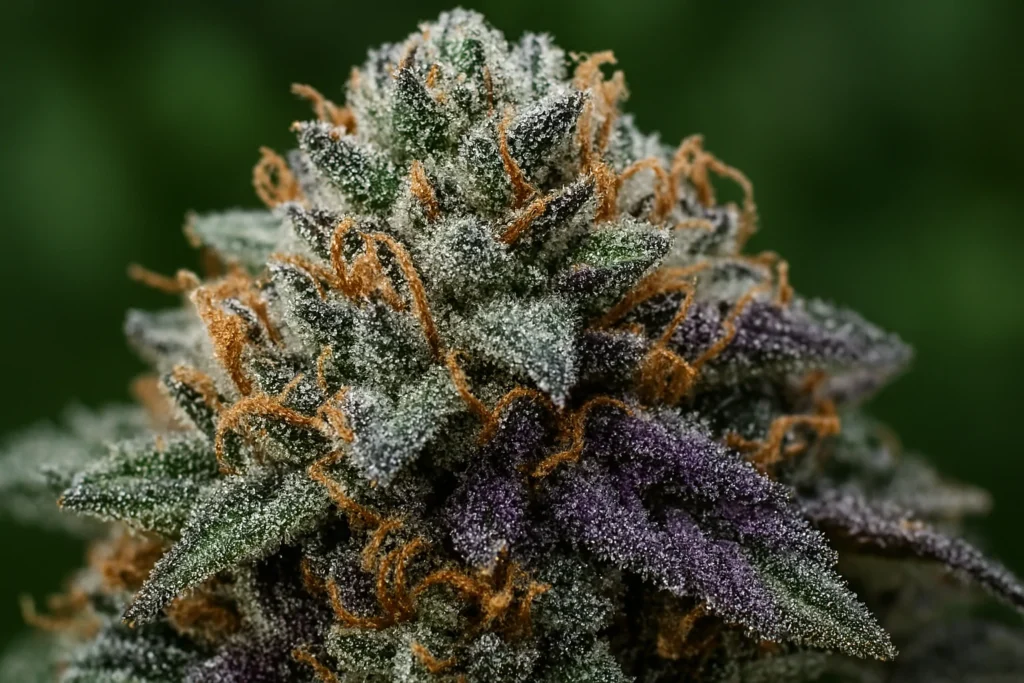
    Frosty iindica

    2. Sativa

    • Typical Origins: Found in warmer, equatorial regions like Southeast Asia and Central/South America.
    • Plant Appearance: Tend to grow taller and lankier, with narrower, lighter green leaves.
    • Commonly Reported Effects: Often associated with energizing, uplifting, and cerebral effects. Users might feel more creative, focused, talkative, or euphoric. Sativas are frequently chosen for daytime activities, social gatherings, or creative pursuits.
    • Potential Uses: Boosting mood, enhancing creativity, daytime energy, social interaction.
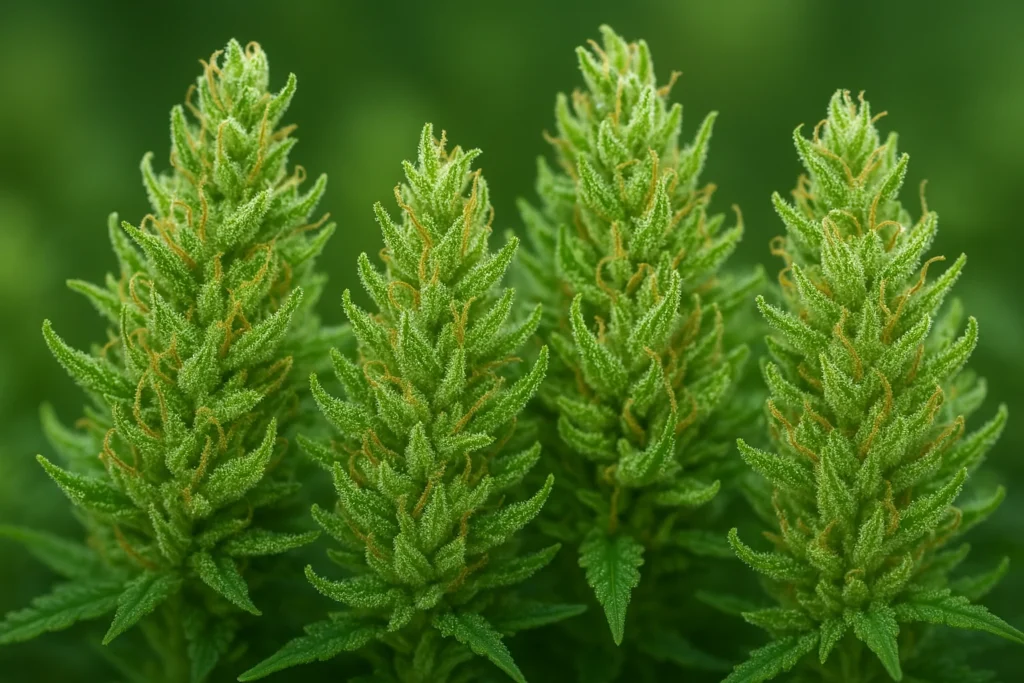
    Vivid Sativa Bud

    3. Hybrid

    • The Best of Both Worlds: As the name suggests, Hybrids are created by cross-breeding Indica and Sativa plants. They inherit traits from both parent strains.
    • Variety is Key: Hybrids offer the widest range of effects. Some are Indica-dominant, providing relaxation with less sedation than a pure Indica. Others are Sativa-dominant, offering upliftment with a touch of body relaxation. Balanced hybrids aim to provide an even mix.
    • Tailored Experiences: The goal of creating hybrids is often to cultivate specific effects, flavors, or growing characteristics. Many popular modern strains are hybrids.
    • Potential Uses: Highly versatile, depending on the specific strain’s dominance and profile. Can be suitable for various times of day and activities.

    Beyond the Basics: Terpenes and Individual Effects

    While Indica, Sativa, and Hybrid are useful starting points, it’s important to know that they are broad classifications. The actual effects you experience depend heavily on:

    • Terpene Profile: These aromatic compounds don’t just determine if a strain smells like pine, citrus, or berries; they also interact with cannabinoids (like THC) to modulate the effects – known as the “entourage effect.” A limonene-rich strain might feel more uplifting, regardless of whether it’s labeled Indica or Sativa.
    • Cannabinoid Profile: The exact percentage of THC, plus the presence of other cannabinoids like CBD, CBN, or CBG, significantly influences the experience.
    • Your Unique Body Chemistry: Everyone’s endocannabinoid system is different. A strain that makes your friend relaxed might make you feel energized, or vice-versa. Dosage also plays a crucial role.

    Choosing Your Strain at XO2 Dispensaries

    So, how do you pick? Here are a few tips:

    1. Consider Your Goal: What effects are you looking for? Relaxation? Energy? Creativity? Relief?
    2. Think About Timing: Are you consuming during the day or planning for the night?
    3. Know Your Tolerance: If you’re new to THC, start with a lower potency strain and a small amount. “Start low and go slow” is always wise advice.
    4. Ask the Experts: Don’t hesitate to talk to the knowledgeable budtenders at XO2 Dispensaries! Describe the effects you’re seeking, and they can guide you toward strains that might be a good fit based on their cannabinoid and terpene profiles.

    Your Cannabis Journey Starts Here

    Exploring the world of THC cannabis strains is a personal journey. Understanding the general differences between Indica, Sativa, and Hybrid provides a great foundation, but remember to pay attention to specific strain information and, most importantly, how different products affect you.

    We invite you to visit XO2 Dispensaries, explore our curated selection, and chat with our team. We’re here to help you navigate the options and find the cannabis experience that’s right for your vibe.

  • Choosing Your Cannabis Flower: Key Factors to Consider

    Choosing Your Cannabis Flower: Key Factors to Consider

    Welcome to the XO2 Dispensaries blog! As Texas embraces new possibilities, navigating the world of cannabis flower can feel exciting yet overwhelming. With so many options available, how do you choose the right one for you? Understanding a few key factors can transform your experience from guesswork to informed enjoyment.

    Think of choosing cannabis flower like selecting the perfect coffee bean or craft beer – nuances matter! Here’s what to keep in mind:

    1. Cannabinoid Profile: Beyond Just THC

    Cannabinoids are the active compounds in cannabis that interact with your body’s endocannabinoid system.

    • THC (Tetrahydrocannabinol): This is the most famous cannabinoid, primarily responsible for the psychoactive effects or “high.” Potency varies significantly between strains. While high THC levels are sought after by some, it’s not the only indicator of quality or effect.
    • CBD (Cannabidiol): Non-psychoactive, CBD is known for its potential therapeutic benefits, like promoting relaxation and easing discomfort, without the intense high of THC. Many strains offer a balance of THC and CBD.
    • Minor Cannabinoids (CBN, CBG, etc.): Research is ongoing, but other cannabinoids like CBN (often associated with sedative effects) and CBG (linked to anti-inflammatory properties) also play a role in the overall experience.

    Key Takeaway: Look at the lab results (if available) not just for THC percentage, but also for CBD and other cannabinoids to get a fuller picture of potential effects.

    2. Terpene Profile: The Aroma and Flavor Engine

    Ever wonder why different strains smell like pine, citrus, berries, or even diesel? Thank terpenes! These aromatic compounds do more than just create unique scents and flavors.

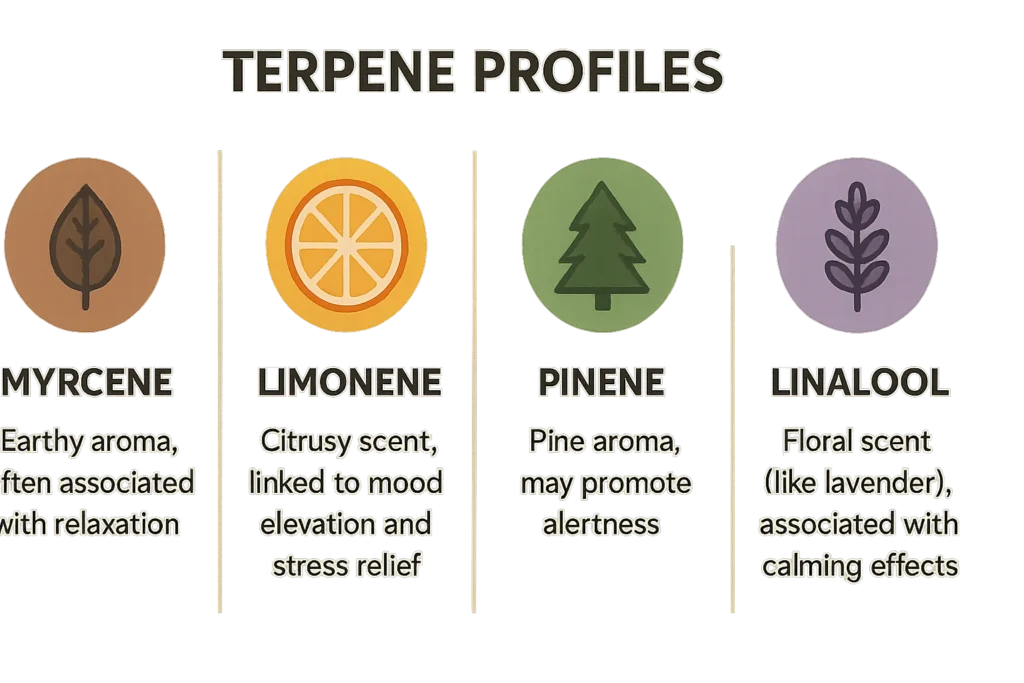
    • Influence Effects: Terpenes work synergistically with cannabinoids in what’s called the “entourage effect,” potentially influencing the type of high or relief you experience. For example:
      • Myrcene: Earthy aroma, often associated with relaxation.
      • Limonene: Citrusy scent, linked to mood elevation and stress relief.
      • Pinene: Pine aroma, may promote alertness.
      • Linalool: Floral scent (like lavender), associated with calming effects.
    terpene profiles

    Key Takeaway: Trust your nose! A strain’s aroma can give you clues about its potential effects. Don’t hesitate to ask your budtender about the dominant terpenes in a particular flower.

    3. Strain Type: Indica, Sativa, and Hybrid (With a Caveat)

    You’ve likely heard these terms:

    • Indica: Traditionally associated with relaxing, body-focused effects, often preferred for nighttime use (“in-da-couch”).
    • Sativa: Typically linked to energizing, cerebral, and uplifting effects, often chosen for daytime activities.
    • Hybrid: Bred from both Indica and Sativa parents, hybrids aim to offer balanced effects or target specific combinations (e.g., body relaxation with mental clarity).

    Important Note: While helpful starting points, these categories are becoming less rigid. Modern science suggests the specific cannabinoid and terpene profile is a more accurate predictor of effects than just the Indica/Sativa label. A strain labeled Indica might feel uplifting to you, and vice-versa, based on its unique chemical makeup.

    Key Takeaway: Use Indica/Sativa/Hybrid as a general guide, but focus more on cannabinoids, terpenes, and desired effects when making your final choice.

    4. Appearance, Feel, and Freshness: Judging Quality

    You can tell a lot about cannabis flower by looking closely:

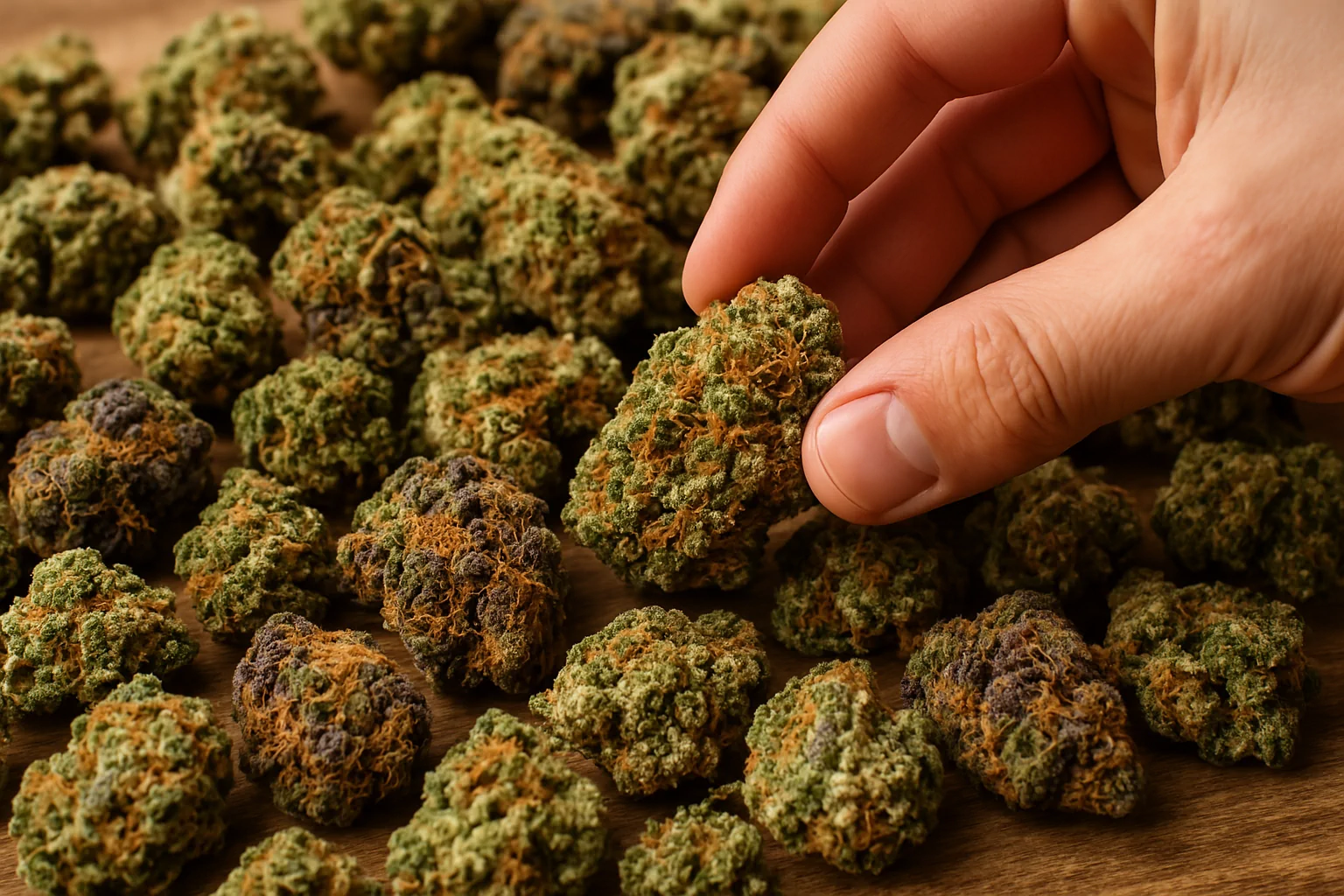
    • Color: Look for vibrant greens, perhaps with purple, orange, or reddish hues. Avoid brown, yellow, or overly dry-looking flower.
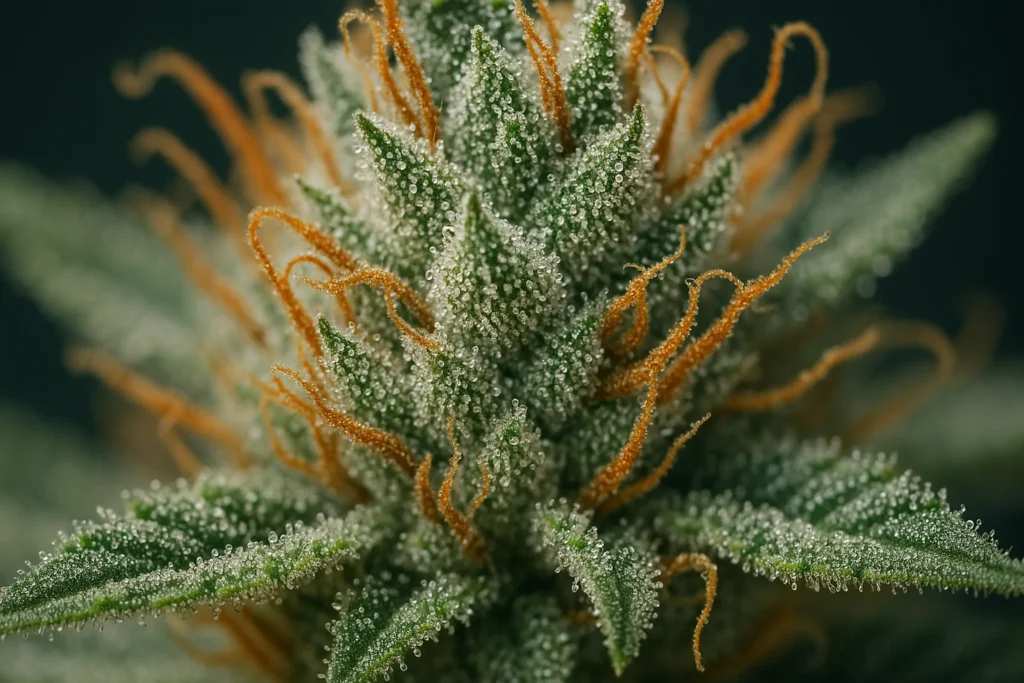
    • Trichomes: These are the tiny, crystal-like glands covering the bud surface. They contain the highest concentration of cannabinoids and terpenes. A frosty, shimmering appearance indicates rich trichome coverage.
    • Density: Buds should feel relatively dense and slightly springy, not airy or overly compacted.
    • Stickiness: A slightly sticky feel often indicates good resin production (where the good stuff is!). Overly dry or crumbly flower may be old.
    • Aroma: Good quality flower should have a distinct, pungent aroma characteristic of its terpene profile. Avoid smells of hay, mold, or dampness.
    Frosty Cannabis Trichomes
    Frosty Cannabis Trichomes

    Key Takeaway: Use your senses! High-quality flower generally looks vibrant, feels slightly sticky, smells potent and pleasant, and is covered in visible trichomes.

    5. Your Desired Effects and Experience

    Ultimately, the best flower for you depends on what you want to achieve. Ask yourself:

    • Are you looking to relax after a long day?
    • Do you need help stimulating creativity or focus?
    • Are you seeking relief from discomfort?
    • Do you want something for social occasions?
    • Are you looking for help with sleep?

    Communicating your goals to your budtender helps them recommend strains whose cannabinoid and terpene profiles align with your desired outcome.

    Finding Your Fit at XO2 Dispensaries

    Choosing the right cannabis flower is a personal journey. By considering these factors – cannabinoids, terpenes, strain type, appearance, and your desired effects – you can make more informed decisions and enhance your experience.

    At XO2 Dispensaries here in Texas, our knowledgeable team is passionate about helping you navigate our selection. We’re here to answer your questions and guide you toward the cannabis flower that best suits your needs and preferences. Don’t hesitate to ask!

    Happy exploring!

  • Unlocking Potential: Exploring the Reported Benefits of THC

    Unlocking Potential: Exploring the Reported Benefits of THC

    Hey Texas! Welcome to the XO2 Dispensaries blog, your new spot for reliable information about cannabis. As we prepare to serve our communities, we believe education is key.

    Today, let’s dive into one of the most well-known compounds in cannabis: THC. While often associated with its psychoactive effects, THC (Tetrahydrocannabinol) has a fascinating range of potential benefits that researchers and users are exploring.

    What Exactly is THC?

    THC stands for Delta-9-Tetrahydrocannabinol. It’s the primary psychoactive cannabinoid found in the cannabis plant, meaning it’s the main compound responsible for the “high” sensation many people experience.

    But its effects go far beyond that. THC interacts with our body’s Endocannabinoid System (ECS), a complex network of receptors that helps regulate various functions like mood, pain, sleep, and appetite.

    How Does THC Work (The Simple Version)?

    Think of the ECS as a system of locks (receptors) throughout your body, especially in the brain and nervous system. THC acts like a key that fits into specific locks, primarily the CB1 receptors. When THC binds to these receptors, it influences the release of neurotransmitters, leading to a variety of effects on the mind and body.

    THC Benefits 11

    Potential Therapeutic Benefits Being Studied

    It’s crucial to remember that research is ongoing, and individual results can vary widely. However, studies and anecdotal reports suggest THC may offer potential help in several areas:

    • Pain Management: This is one of the most cited reasons people turn to cannabis. THC may help manage chronic pain, neuropathic pain, and inflammation by interacting with pain pathways.
    • Nausea and Vomiting Relief: Particularly for patients undergoing chemotherapy, THC has shown promise in reducing nausea and stimulating appetite. Some FDA-approved medications are synthetic forms of THC used for this purpose.
    • Appetite Stimulation: Known colloquially as “the munchies,” THC’s ability to increase appetite can be beneficial for individuals experiencing appetite loss due to medical conditions or treatments.1
    • Muscle Spasticity: Some studies suggest THC might help reduce muscle stiffness and spasms associated with conditions like multiple sclerosis (MS) or spinal cord injuries.
    • Sleep Aid: Many users report that THC helps them fall asleep faster and experience more restful sleep, potentially due to its relaxing effects.
    • Mood Regulation: While it can sometimes cause anxiety in higher doses or susceptible individuals, THC is also reported by some to potentially alleviate symptoms of anxiety, depression, and PTSD by promoting relaxation and euphoria. Always consult a healthcare professional for mood disorders.

    Beyond the Therapeutic: Well-being and Recreation

    For many, THC’s benefits extend into enhancing daily well-being (where legally accessible):

    • Relaxation and Stress Reduction: THC can induce feelings of calm and relaxation, helping to unwind after a long day.
    • Enhanced Sensory Perception: Colors may seem brighter, music more engaging, and food more flavorful for some users.
    • Creativity and Focus: Some individuals report heightened creativity or a different perspective on problems after consuming THC.
    • Euphoria and Mood Elevation: The psychoactive effects can lead to feelings of happiness, contentment, and sociability.
    THC Benefits 10

    Important Considerations for Texas Residents

    While exploring these potential benefits is exciting, it’s essential to be aware of a few things:

    Individual Effects & Dosage

    How THC affects you depends on your body chemistry, tolerance, the dose, the consumption method, and the specific product’s profile.

    • The Golden Rule: “Start low and go slow.” Begin with a small dose, especially if you are new to THC, and wait to see how it affects you before consuming more.

    Potential Side Effects

    THC can cause side effects like dry mouth, red eyes, dizziness, increased heart rate, anxiety, or paranoia, particularly at higher doses. Be mindful of your consumption.

    Legality in Texas: Know the Rules

    This is crucial:

    • Recreational marijuana remains ILLEGAL in Texas.
    • Medical cannabis use is permitted only under the strict regulations of the Texas Compassionate Use Program (TCUP) for specific qualifying conditions.
    • Products containing Delta-8 THC and hemp-derived Delta-9 THC (within the 0.3% limit by dry weight) are currently accessible under the federal Farm Bill.
    • XO2 Dispensaries is committed to operating fully within Texas laws, offering only legally compliant products.

    Responsible Use

    • Never drive or operate heavy machinery after consuming THC.
    • Store products securely away from children and pets.

    Your Journey Starts with Knowledge

    THC is a complex compound with a wide range of reported effects and potential benefits. Understanding these possibilities, alongside the importance of responsible use and the specific legal landscape here in Texas, is the first step.

    At XO2 Dispensaries, we aim to be your trusted resource. We’re here to provide high-quality, legally compliant products and the information you need to make informed choices.


    Have questions about THC or the types of legal products available in Texas? Stay tuned to our blog, and get ready to visit XO2 Dispensaries soon for guidance from our knowledgeable team!


    Disclaimer: The information in this article is for educational purposes only and does not constitute medical advice. Cannabis affects individuals differently. Consult with a healthcare professional for any health concerns or before making any decisions related to your health or treatment. Always consume responsibly and be aware of the laws in your state.