
Category: Responsible Use & Wellness

  • Unveiling New Horizons: Discover the Gentle Potential of Low-THC Cannabis for Senior Wellbeing in Texas

    Unveiling New Horizons: Discover the Gentle Potential of Low-THC Cannabis for Senior Wellbeing in Texas

    At XO2, We Understand Your Wellness Journey

    At XO2, we understand that the pursuit of wellness is a lifelong journey, and as you navigate its later chapters, finding gentle yet effective ways to enhance your quality of life becomes increasingly important. That’s why we’re excited to shed light on a burgeoning area with promising potential for seniors in Texas: low-THC cannabis.

    The Emerging Landscape of Low-THC Cannabis

    For too long, the conversation around cannabis has been dominated by outdated stereotypes and a focus on its psychoactive properties. However, low-THC cannabis offers a refreshing perspective – one centered on holistic wellbeing and a subtle interaction with your body’s natural systems. Imagine exploring a natural option that may ease discomfort, promote restful sleep, and foster a greater sense of calm, all without the intoxicating “high” traditionally associated with cannabis. This is the promise of low-THC.

    Demystifying Low-THC Cannabis

    Let’s demystify this topic further. Low-THC cannabis, as the name suggests, contains only trace amounts of tetrahydrocannabinol (THC), the compound responsible for the euphoric effects. Instead, it often boasts a higher concentration of cannabidiol (CBD) and other beneficial cannabinoids and terpenes. These compounds interact with your body’s endocannabinoid system (ECS), a complex network that plays a crucial role in regulating various functions, including mood, sleep, pain perception, and immune response. Think of it as a master regulator working to maintain balance within your body.

    Potential Benefits of Low-THC Cannabis for Seniors

    As we age, this delicate balance can sometimes be disrupted, leading to various discomforts and challenges. Emerging research and anecdotal evidence suggest that low-THC cannabis may offer a gentle way to support the ECS and potentially alleviate some of these age-related concerns:

    Embrace Tranquility: Easing Anxiety and Promoting Relaxation

    The stresses of daily life can accumulate over time, and feelings of anxiety or unease may become more frequent. Low-THC options may offer a natural pathway to a greater sense of calm and relaxation. By interacting with receptors in the ECS, particularly those in the nervous system, low-THC can potentially help soothe the mind and promote a more peaceful state without the drowsiness or cognitive impairment sometimes associated with traditional anti-anxiety medications. Imagine enjoying your favorite hobbies or spending time with loved ones with a renewed sense of serenity.

    Unlock Restful Nights: Supporting Healthy Sleep Patterns

    The importance of quality sleep cannot be overstated, especially as we age. Disrupted sleep patterns can impact energy levels, mood, and overall health. Low-THC cannabis may help regulate sleep cycles by influencing the ECS, potentially leading to more consistent and restorative sleep. Waking up feeling refreshed and revitalized can significantly enhance your daily life, allowing you to engage more fully in activities you enjoy.

    Finding Comfort: Managing Everyday Aches and Discomfort

    Chronic aches and discomfort are common companions for many seniors, often impacting mobility and overall enjoyment of life. The ECS plays a significant role in pain perception and inflammation. Low-THC cannabis interacts with cannabinoid receptors that can help modulate these processes, potentially offering a natural approach to managing discomfort and improving physical comfort. Imagine being able to pursue your passions, from gardening to gentle exercise, with greater ease.

    Nourishing the Body: Stimulating Appetite and Promoting Wellbeing

    Maintaining a healthy appetite is crucial for proper nutrition and overall wellbeing. Sometimes, age-related factors or certain medications can affect appetite. Low-THC cannabis may help stimulate the desire to eat by interacting with receptors in the ECS that regulate hunger and satiety. Ensuring adequate nutrient intake is vital for maintaining energy levels, supporting the immune system, and promoting overall vitality.

    Navigating Your Path with Confidence: What You Need to Know

    At XO2, we believe in empowering you with accurate information and guiding you through this evolving landscape. It’s crucial to understand that the experience with low-THC cannabis is unique to each individual. Factors such as your body’s individual chemistry, the specific type of low-THC product, and the dosage will influence the effects.

    Your Journey Starts Here:

    Consultation is Key:

    Before considering low-THC cannabis, it is essential to have an open and honest conversation with your healthcare provider. They can assess your individual health needs, potential interactions with existing medications, and guide you on whether low-THC cannabis might be a suitable option for you.

    Start Low and Go Slow:

    If you and your doctor decide to explore low-THC cannabis, it’s generally recommended to begin with a very low dose and gradually increase it as needed, paying close attention to how your body responds.

    Explore Different Forms:

    Low-THC cannabis comes in various forms, including tinctures, edibles, topicals, and vaporizers. Each method of consumption has a different onset time and duration of effects. Understanding these differences will help you find a delivery method that suits your preferences and needs.

    Quality Matters:

    Choosing high-quality, lab-tested products from reputable sources is paramount to ensure safety and efficacy. XO2 is committed to providing you with information on trusted resources within the Texas Compassionate Use Program.

    Looking Towards a Brighter Future

    The exploration of low-THC cannabis for senior wellness in Texas is an exciting frontier. At XO2, we are dedicated to staying at the forefront of this evolving field, providing you with the latest research, clear guidance, and a supportive community. We believe that by empowering you with knowledge and connecting you with the right resources, you can make informed decisions that contribute to a healthier, more vibrant, and fulfilling life.

    Join us as we continue to explore the potential of low-THC cannabis and unlock new horizons in senior wellbeing across the Lone Star State.

    Important Note: This article is intended for informational purposes only and does not constitute medical advice. It is crucial to consult with a qualified healthcare professional for personalized guidance and to ensure compliance with the Texas Compassionate Use Program regulations.

  • Considering Cannabis? A Friendly Guide for Texas Seniors Exploring Low-THC Options

    Considering Cannabis? A Friendly Guide for Texas Seniors Exploring Low-THC Options

    You’ve probably heard the buzz – interest in cannabis is growing, and that includes many Texas seniors! Maybe you’re curious about how it might fit into your wellness routine, especially if you’re seeking relief from common age-related concerns. As XO2 Dispensaries prepares to serve the Texas community, we believe in empowering you with clear, reliable information.

    Let’s explore the world of low-THC cannabis available through the Texas Compassionate Use Program (TCUP) and what it could mean for you.

    Understanding THC, CBD, and Texas Law

    The cannabis plant (Cannabis Sativa L.) contains many compounds called cannabinoids. The two most well-known are:

    • THC (Delta-9-Tetrahydrocannabinol): This is the compound primarily responsible for the intoxicating or “high” effects some associate with cannabis. In Texas, medical cannabis is legally defined as “low-THC,” meaning it contains no more than 1% THC by weight. This is different from recreational marijuana available in other states.
    • CBD (Cannabidiol): This compound is non-intoxicating (doesn’t cause a high) and is popular for various wellness uses. Products primarily containing CBD (derived from hemp with less than 0.3% THC) are widely available in Texas.

    Navigating the Texas Compassionate Use Program (TCUP)

    Texas doesn’t have recreational marijuana, but it does have a medical cannabis program called the Texas Compassionate Use Program (TCUP). Here’s how it works for qualifying patients:

    1. Qualifying Conditions: TCUP allows registered physicians to prescribe low-THC cannabis for specific conditions. Many conditions common among seniors may qualify, including:
      • Cancer
      • Epilepsy and other seizure disorders
      • Multiple Sclerosis (MS)
      • Spasticity (muscle spasms)
      • Amyotrophic Lateral Sclerosis (ALS)
      • Post-Traumatic Stress Disorder (PTSD)
      • Incurable neurodegenerative diseases (a state-defined list including conditions like Alzheimer’s, Parkinson’s, Huntington’s, Dementia, and many others)
      • Autism
      • Note: While chronic pain itself isn’t listed, pain stemming from a qualifying condition (like cancer or MS) can be addressed. Peripheral neuropathy is also often cited.
    2. Doctor’s Prescription: You must consult with a physician registered with TCUP. If they determine low-THC cannabis is appropriate and the potential benefits outweigh the risks for your qualifying condition, they will enter a prescription into the secure Compassionate Use Registry of Texas (CURT). There are no physical medical marijuana cards in Texas.
    3. Texas Residency: You must be a permanent Texas resident. There’s no age limit, but patients under 18 need a legal guardian’s involvement.
    4. Visiting a Licensed Dispensary (like XO2!): Once prescribed, you can visit any licensed Texas dispensary. You’ll provide your ID, name, date of birth, and the last five digits of your Social Security Number for the dispensary staff to verify your prescription in CURT.

    Exploring Potential Benefits for Seniors

    While research specifically on seniors is still growing, many older adults use low-THC cannabis under medical guidance seeking relief from:

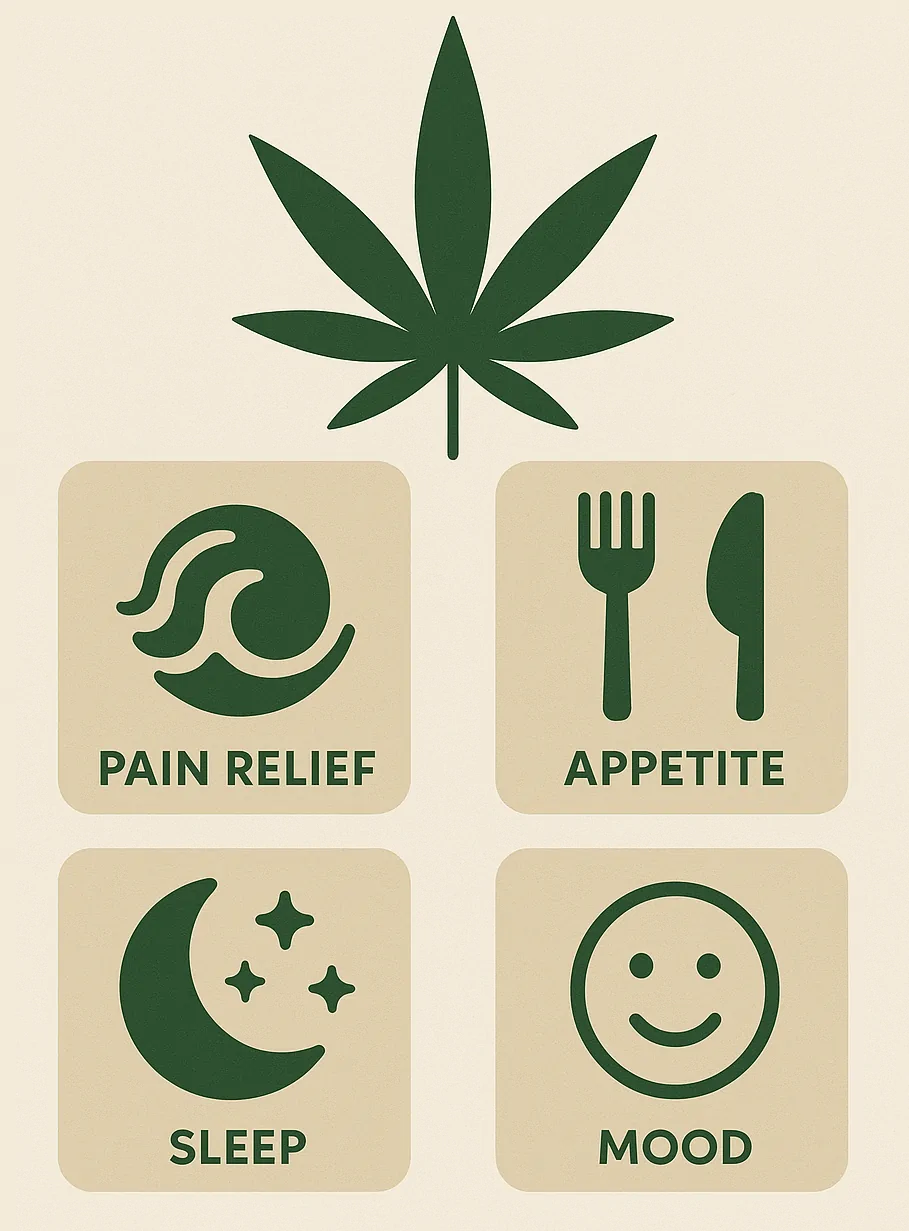
    • Chronic Pain: Particularly neuropathic (nerve) pain or pain associated with conditions like cancer or MS. Some find it helps reduce reliance on other pain medications.
    • Sleep Issues: Difficulty falling or staying asleep is common. Some find THC helpful, though effects vary.
    • Nausea and Appetite: Low-THC cannabis may help stimulate appetite or reduce nausea, especially related to chemotherapy.
    • Anxiety: While high doses of THC can sometimes worsen anxiety, some individuals find low doses calming. Careful dosing is key.
    • Muscle Spasms/Spasticity: Conditions like MS often involve spasticity, and low-THC cannabis is a qualifying use under TCUP for this [cite: 1.1, 150].

    It’s important to have realistic expectations and understand that effects can vary greatly from person to person.

    Responsible Use: Safety and Considerations for Older Adults

    Making informed choices means understanding potential risks and how to minimize them. Because older adults metabolize substances differently and may have other health conditions, extra care is essential.

    • Start Low, Go Slow: This is the golden rule! Begin with the lowest possible dose recommended by your doctor and wait to see how it affects you before taking more. Effects from edibles can take 1-2 hours or longer to fully develop.
    • Choose Your Method Wisely: Texas law currently permits prescribed low-THC cannabis for ingestion (e.g., edibles, tinctures, capsules), not smoking. Tinctures (drops under the tongue) allow for precise, small dosing and faster onset than edibles. Topicals (creams/balms) are non-intoxicating and used for localized relief. Discuss the best method for you with your doctor and dispensary staff.
    • Potential Side Effects: Be aware of possible effects like dizziness, drowsiness, dry mouth, impaired coordination, or short-term memory issues. These increase the risk of falls, a significant concern for seniors. Using cannabis in a safe environment, especially initially, is crucial. Avoid driving or operating machinery after use.
    • Cognitive Effects: THC can affect thinking and memory. If you have concerns about cognition, discuss them thoroughly with your doctor.
    • Heart Health: THC can temporarily increase heart rate and affect blood pressure. If you have heart conditions, medical guidance is vital.
    • Drug Interactions: Cannabis can interact with other medications, especially blood thinners, sedatives, or certain seizure medications. ALWAYS inform your doctor and pharmacist about all medications and supplements you take, including low-THC cannabis.
    • Talk to Your Doctor: This is non-negotiable. Discuss your health history, current medications, and whether low-THC cannabis is a safe option for you.
    info benefits

    Partnering with XO2 Dispensaries

    At XO2 Dispensaries, we are committed to being a trusted partner in your wellness journey within the Texas Compassionate Use Program. We plan to offer:

    • High-quality, lab-tested low-THC cannabis products that meet all state regulations, including detailed Certificates of Analysis (CoAs) so you know exactly what you’re getting.
    • Knowledgeable staff trained to explain product types, different administration methods (tinctures, edibles, topicals), and how to read product labels.
    • A welcoming environment where you can ask questions and feel comfortable exploring your options under the guidance of your physician’s prescription.
    • Educational resources to help you make informed decisions.

    Your Health, Your Choice

    Exploring low-THC cannabis as an older adult in Texas involves understanding the state’s specific program (TCUP), potential benefits, safety considerations, and the absolute necessity of working closely with a registered physician.

    We encourage you to have open conversations with your doctor about whether TCUP is right for you. Should you receive a prescription, the team at XO2 Dispensaries looks forward to helping you navigate your options safely and effectively.

    Interested in learning more?

    • Visit our XO2 Dispensaries location (once open!) to speak with our team.
    • Sign up for the XO2 Dispensaries newsletter for updates and educational content.
    • Continue exploring our blog for more information on cannabis and wellness in Texas.

    (Disclaimer: This article is for informational purposes only and does not constitute medical advice. Consult with a qualified healthcare professional registered with the Texas Compassionate Use Program before making any decisions about using low-THC cannabis.)